martes, 28 de junio de 2022

"Films". Unit 9

 Inside Out

Lesson 1 (Warmer). What are you thinking? Teacher comes into the class and gives them 10 seconds to write on a paper what you were thinking before I came.

Word Thinking Day. Lesson  1 (Activity 1). Your first day. Imagine it; how would like to be treated? Would you like to be accepted? Why? Write your answers on a piece of paper, make a ball and change it (person behind).                 

Lesson 1 (Activity 2). Get to know your classmate. In pairs, students have a template with different questions, answer these questions about your partner, in case you don’t know something, ask that student. Then, describe them.

Lesson 1 (Conclusion). Post-it. Write on a post-it one word which describes your classmate and them stick it on the blackboard.

Lesson 2 (Warmer). Daily Routine. Teacher ask them: What did you do yesterday? they have to describe saying at least one sport.

Lesson 2. (Activity 1) Sport’s Kaboom. Riley loved hockey, in groups of five, pupils discover more sports, they get a card and say the name of the sport, if they know it, they keep the card, when kaboom’s word appears they lose all the sticks. 20 minutes. 


Lesson 2 (Activity 2). Sports' team. Read a notice about recruitment sports, in groups of five, look for at least five benefits (one per sport). Then, choose one of them and describe it.


Lesson 2. (Conclusion). Table tennis words. Each group has to try to get as many balls as they can, every time they get a point they have to say a sport.

Lesson 3. (Warmer). Adjectives. Teacher has a box where there are lots of adjectives, one student stands up gets one and have to say the superlative form of that adjective.

Lesson 3. (Activity 1) Grammar Project. Superlatives. 1. Grammar detectives. Try to discover the rule, teacher writes five sentences which contain superlatives (learned in the third level).

Lesson 3 (Activity 2). Sports' cards. Groups (five learners, five cards), try to get as many cards as you can.

Rules: 5 players, 5 cards for each one of them, try to get as many cards as you can, each turn one of the players choose a verb (good, bad, old, aggressive and competitive) putting the card face up and before than this he/she must choose the sport, if the sport got the highest punctuation he/she will get all the cards. The game finishes when one person gets all the cards or if the time is over the person who wins it´s that one who has the highest number of cards. For example:

Football is the best sport.

Football is the worst sport.

Football is the oldest sport.

Football is the most aggressive sport.

Football is the most competitive sport.

 Lesson 3 (Activity 3). Board Game SportsGroups, practice superlatives by playing this game.

Lesson 3. (Conclusion). Mime the grammar. Using the previous cards’ sports and adjectives, one student tries to mime it and the rest have to guess it. 

Lesson 4 (Warmer). Spelling B. Each group has five words, they must spell them without making mistakes, the group who gets more words without making mistakes, it's the winner group and gets points for Class Dojo.

Lesson 4 (Activity 1). Speaking Record Time Project. Quiz Show. Five groups, teacher prepares twenty-five questions about the contents seen in this unit. Teacher numbers the groups, they ask following the order. Students have ten cards per group (potions and spells) they can use them. At the end of the session, the group that has been talking in English the most will get more clues to find the hidden character, get ten points for Class Dojo.


Lesson 4 (Conclusion). Create a dream. Learners write on a piece of paper a dream they'd like to have.

Lesson 5 (Warmer). Happy Things. Students write on a post-it something that make them feel happy, we stick them on the blackboard and in a whole group we put them in common.

Lesson 5. (Activity 1) Self-esteem fan. Create a paper fan, each part has one of the letters that compound their names, write something beautiful on each letter that define them. 

Lesson 5 (Activity 2). Facebook Profile. Write information about yourself. 

Lesson 5 (Activity 3). Find a friend who… Learners have a template that should fill by asking to their classmates, Whole Class.

Lesson 5 (Conclusion). I like my friend because… On the blackboard are written many adjectives (positive and negative), learners stand up and point one of them and say why that characteristic is important on a good friend.

Lesson 6 (Warmer). Film’s trailer. To get to know better this story, students watch Wonder’s film trailer.

Lesson 6 (Activity 1) Wonder’s Book. 1. Reading time. Every group (five groups, five students) has an adapted chapter of this book, they should outline it in two or three sentences (taking into consideration the following questions), speaker reads it aloud.

Lesson 6 (Activity 2). Wonder Journal. Worksheet with questions related to previous chapters, workgroups. 

Lesson 6 (Activity 3). You are wonder. In groups, students should fill the template by saying something beautiful to his/her classmate, teacher says the chosen classmate.

Lesson 6. (Conclusion). I'm sorry… Students write a letter saying sorry for something they have made to other person that made them feel bad (one or two sentences apologizing).

 Lesson 7. (Warmer). Bullying Video.

Students watch this video "Anti-Bullying PSA: The Price of Silence." , then, teacher asks them some questions to think about it:

What is this video about?

How do you think the bullied person was feeling?

Is good the behaviour of those who are watching without doing anything?

What would you do?

Identify the different roles we can find on this video.

Lesson 7 (Activity 1) Bullying Situations. Four bullies’ cases, in groups, find a solution to help them and avoid bullying.      

Lesson 7 (Activty 2). Antibullying-You are perfect. Students write on the blackboard (one by one) the words that they want them to be remembered.   

Lesson 7 (Activity 3). Decorate your classroom. Groups of five, choose an image and  create a slogan.

Lesson 7 (Conclusion) What do you think about bullying?. In groups, they expose what they think about bullying, then, they summarise their opinions in words. In a whole-group learners speak out these words.

Lesson 8 (Warmer). Guess who. Students bring a picture about themselves when they were babies, all pictures will be display around the room and students must guess who belongs those pictures. 

Lesson 8 (Activity 1) Final Task: Feelings Lapbook. Groups of five, learners create a lapbook by using the feelings that the film “Inside Out” contains, write situations that make you feel that way (one per member). Then, each one of the components of the group describe the best moment of their lives that involve a sport. 


TEMPLATE

Lesson 8 (Conclusion). Shout it out. Students put in a jar a feeling and a sport and the rest of classmates should guess who wrote that.

" Famous People". Unit 10.

 We are writers


Lesson 1 (Warmer). Reasons to read it. Before to start the presentation, students read aloud why their classmates should read the book they are going to talk about during the lesson.

Lesson 1 (Activity 1) World Book and Copyright Day. 1. Get a costume and show your talent. Before holidays, teacher told them to prepare an activity in which they should bring his/her favourite book and get dressed as same as the character, they also have to outline it in one page and prepare an exposition .

Lesson 1 (Conclusion). Reading Challenge. During the last ten minutes, pupils compromise to read one of the books their classmates have been talking about, so they write a compromise letter saying the name of the book they are going to read.

Lesson 2 (Warmer). The three R´s rules. When students come into the class, they find written on the backboard this sentence “The three R´s rules”, they must guess the meaning of this.

Lesson 2. International Recycling Day. (Activity 1). Open your ears and eyes. Students watch this video:

VIDEO

Lesson 2 (Activity 2) Write your own ideas. Children write down five ways to reduce, re-cycle and reuse (Group- Work).   

Lesson 2 (Activity 3). Recycling Facts. Read the text and answer the questions.

Lesson 2 (Conclusion). I have… Who has? Each child has a card where it written some action to reduce/ recycle or reuse, they try to find one of the classmates that have the word, one they have found it they go on collecting more sentences.

For example:

María: Reduce.

Juan: Use less paper to save trees.

María and Juan now try to find more sentences that mean Reduce. 

Lesson 3 (Warmer). Hogwards Letter. When students come into the class they find this letter, but they don't have the necessary equipment is being required on the letter. They must go to their groups table and check the object they have to find (owl, the broom, books, potions and the wand).


Lesson 3 (Activity 1) Access to Hogwarts. In groups, students try to get the necessary equipment to get into Hogwarts School, every group has to find five different objects, they have clues which guide them to find these tools.   

NOTE: Each time they finish a challenge, they get a clue about the place where the object has been hidden. The first group in finding the object obtains a clue to go to Hogwarts through the Platform 9 ¾.


Lesson 3 (Activity 2). The sorting ceremony. Once they have found the objects, they should be chosen by the “Sorting Hat”, one person represents the team and is joined on a specific house. Teacher says the "house" each group belongs to.

Lesson 3 (Activity 3). Searching. Pupils fill a house template.

WEBSITE TO RESEARCH

TEMPLATE

Lesson 3 (Conclusion). Houses Points. At the end of the Unit, the winner house gets “The House Cup”, so during all the lessons they have to do good actions (being good classmates, helping their parents, doing exercises, having good behaviour…) otherwise they lose points.

Lesson 4 (Warmer). Trailer Spells. Students watch this trailer to understand the topic of the following lesson.

Lesson 4 (Activity 1). Describing Spells. Groups of five, each one has a spell, the description is around the class, one member of the group should find it by following instructions. Then, choose a speaker, share your spell.

Work in groups, they have one spell, the description is around the class, they find his/hers before the rest of the groups find theirs.

Lumos: A handy piece of magic that can turn a wand into a torch.

Expelliarmus:  is a disarming spell and is used to knock the opponent's wand from their hand.

Alohomora Duo:  is the incantation of a stronger variation of the Unlocking Charm, a spell which unlocks doors and other locked objects, but is unclear in how it is stronger.

Ascendio: is a charm used to lift the caster high into the air or propel them to the surface should they be underwater at the time.

Expecto Patronum: A difficult spell, and the only known defence against Dementors.

Lesson 4 (Activity 2). Real vs fantastic. Groupwork, divide different events in real and fantastic (template is provided). Then, look for two more events that appear on Harry Potter (one real/fantastic).

Example: we don´t know the events they are going to propose but it would be something like this…:

Real vs Fantastic

When Harry meets his friends Hermione and Ron is an example of real story (because it could happen actually). However, when Harry pronounces Lumos ´s spell is something fantastic (because it not possible to create light from a wand).


Lesson 4 (Conclusion). Sentence Spell. Students have some cards (the red ones are the subject and the blue ones are the predicate). In groups, one person gets two cards (one blue and one red), those cards make a sentence, he/she performs it and the rest of the team members must guess it.


Lesson 5 (Warmer). Guessing the theme. Students watch this image, they guess what the lesson is about.


Lesson 5 (Activity 1). International Worker’s Day. eTwinning Project. Image that a writer is going to visit your classroom. In groups, create some questions about the process, how to find the editor, the illustrator, how much he/she earns, books sold.... Then, Irish classmates will act like writers answering their questions.

Lesson 5 (Conclusion). Role play. Students perform a job and learners try to guess it.

Lesson 6 (Warmer). Competition Time. To compete with the other classes (4ths), teacher writes some sentences one the backboard using some of the previous structures the have already known, they have to put them in the correct order. Teacher checks all the points, if we have more than the other class we win some threat.

Lesson 6 Grammar Project. Are you, Is he/she…good at? (Activity 1). Quick questions. Dice with different activities, one pupil throws the dice, then, he/she makes the question to another classmate (Circle Class).  

Lesson 6 (Activity 2). Harry Potter abilities. Teacher provides a timetable with the things Harry Potter and his friends were good at, in pairs, students ask one to each other.  

Lesson 6 (Activity 3). I am good at… Learners create their own timetable with three things they very good at and other three they were not, in pairs, ask to your classmate. 

Lesson 6 (Conclusion). Harry Potter machine. In pairs, students have a picture of different characters that appear on Harry Potter, using the grammar machine they describe them (this is grammar review, learned it from years before).


Lesson 7 (Warmer). Tongue Twisters. Teacher writes some tongue twisters on the  blackboard, each group chooses one and they have to try to said faster than other groups.

Lesson 7 (Activity 1) Speaking Record Time. Quiz Show. Groups, teacher hands out questions related to the contents seen. Teacher numbers the groups, they ask following the order. Pupils have ten cards per group. When one group gets five point the game finishes, the winner is the group who has more minutes talking, more clues.

Lesson 7 (Conclusion). Telegram. In teams, learners say five letter, they should create a message bu using these letters.

Lesson 8 (Warmer). Teacher's magic story. To introduce to Final Task, teacher tells their children the story she has written because her tale is also going to appear on the mini story book.

Lesson 8 (Activity 1). Dice Story. In groups, pupils write a story by using a template.   

Lesson 8 (Acitivty 2). Magic book (Toontastic 3D). Using the previous story, children recreate it by using this App. Then, watch all the stories.

Lesson 8 (Conclusion). The winner house. Teacher counts all the points and decide the winner house, that house can choose the threat.

"Famous People". Unit 11

 We are painters

Lesson 1 (Warmer). What is an artist? Brainstorming, kids have to debate and think what an artist for them is (Driving Question).

Lesson 1. (Activity 1). International Museum Day. 1. Types of painting. In groups, watch the video |Types of Painting - an intro for kids of all ages - Sanger Academy| and answer some questions, template is provided  

VIDEO

Lesson 1. (Activity 2). Museum Guide. Each group chooses one of the previous types of painting, recreate one of the pictures (art class), look for information (about the paint and painter) and expose it next to the painting. 

Lesson 1 (Conclusion). Tourists Questions. Classroom divided in artists and tourists. Tourists ask questions to the artists; they should make them out.

Lesson 2 (Warmer). How many fruits can you see? Teacher projects a picture of Arcimboldo where it appears lots of fruits, groups have five minutes to write as many fruits as they can see. The group who writes the highest number of fruits (the correct ones) get points for Class Dojo.


Lesson 2 (Activity 1). Matching game. In pairs, one student has a list of paints, the other runs and gets the information which is around the class (authors’ biography on the walls).   

Lesson 2 ( Activitiy 2). Mona Lisa. In groups of five, describe the picture (template is provided).   

Lesson 2 (Activity 3). Mix them up. Recreate Mona Lisa’s painting by using Arcimboldo’s technique.

Learners have a template where it appears all the steps, they must follow to recreate ones of Arcimboldo’s paints, teacher provides them some supermarket magazines in order to do this activity.


Lesson 2 (Conclusion). Famous quotes. Children write their favourite painter quote on their notebook and explain in one or two sentences why they have chosen that one. Sentences are displayed on the electronic board.

Lesson 3 (Warmer). Guess the author. Teacher projects some Van Gogh’s painters and they try to guess the author, they cannot check on internet, points for the winner group (Class Dojo).

Lesson 3 (Activity 1). The Starry Night. In pairs, analyse the picture and answer some questions, then, describe the painting by using ten adjectives. 

TEMPLATE

Lesson 3 (Activity 2). eTwinning project. Teacher explains that Van Gogh wrote letters to his brother explaining his paintings, in pairs, write a post card for their Irish classmates describing the scene.

Lesson 3 (Conclusion). One thing you have learned. Learners write on their notebooks one thing they have learned about Van Gogh and another about Picasso.

Lesson 4 (Warmer). Draw a Picasso. In pairs, students use the following website  to create their own Picasso.

PICASSO WEB

Lesson 4. Picasso Biography. (Activity 1). Pre-listening. Learners guess the author of the listening by reading five specific words. Whole Class.  

Lesson 4 (Activity 2). Listening. Learners listen to this audio twice (the language assistant records Picasso Biography).   

Lesson 4 (Acitivty 3). Post-Listening. Groupwork, (five groups, five members per group), learners answer some questions related to the listening, if they need more help, they can use the transcript.

TRANSCRIPT

Pablo Picasso was born in Spain. His father was a painter and art teacher. Pablo liked to draw since he was a kid, Pablo had little interest in school, but was an extremely talented artist. 

When he was fourteen Pablo attended a famous art school in Barcelona. A few years later he went to another school in Madrid. However, Pablo was bored with the classic teachings of art school. He didn't want to paint like people hundreds of years ago. He wanted to create something new. 

When Pablo's close friend died, he was very sad, his paintings were dominated by the colour blue, name of this period. Some of his paintings from this period include Poor People on the Seashore and The Old Guitarist. 

Year later, Pablo fell in love with a woman. He began to paint with warmer colours like pinks, reds, oranges… This time is called the Rose Period. Some of his paintings from this period include The Peasants and Mother and Child. 

After the Rose period, Picasso began to experiment with a new style of painting. He created a new style of painting called Cubism. Cubism is represented using geometric shapes to create figures. He also made some portraits, painting the faces from the front and from one side at the same time. So, Pablo put the eyes, mouths and noses where he wanted.

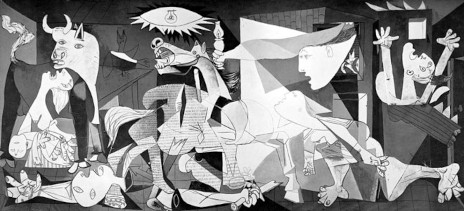
Thereafter, Pablo became interested in the Surrealist movement. They painted what they could see in a dream or a nightmare. This period was called the Monster period. Examples of the surrealism influence includes Guernica and The Red Armchair. 

Lesson 4 (Conclusion). Analysing Picasso's quote. In groups, students try to guess the meaning of this sentence, then, read them aloud and contrast their ideas.

“I'd like to live as a poor man with lots of money.” 

Lesson 5 (Warmer). She Sells Seashells by the Seashore. Practice this sound/ʃ/, students try to say this tongue twister.

She Sells Seashells by the Seashore

She sells seashells by the seashore,
The shells she sells are seashells, I'm sure.
So if she sells seashells on the seashore,
Then I'm sure she sells seashore shells.

Lesson 5. Fishing Boats, Calm Sea. (Activity 1). Pre-reading. Use one word to define Monet’s painting. Whole Class.                   

Lesson 5. (Activity 2). Reading. Read the story about Monet and his fascination with boats.  

Lesson 5 (Activity 3). Post-reading. Every group writes two questions about the reading. Teacher creates a Socrative Quiz using their questions.


Lesson 5 (Conclusion. One truth/ two lies. In groups, learners say two truth and two lies about Monet and the rest of learners must guess the truth and the lie.

Lesson 6 (Warmer). Grammar Competition.

Lesson 6 (Activity 1). Ball questions. Teacher passes the ball to a student and this one answers the previous question; this pupil should pass the ball and realise the same question to another classmate. 

Lesson 6. (Activity 2). Cards Game. In groups, learners have two different pack of cards, practice the previous question and the reply.  

Lesson 6 (Activity 3). Board Game. Groups, practice the structure.

Lesson 7 (Warmer). Frida Khalo. Listen to this story.

Frida Kahlo grew up in a house called La Casa Azul with her parents and six sisters. That house is now the Frida Kahlo museum.  As a child, Frida loved to draw. At age 6, she caught a disease called polio which damaged her right leg.

 Initially studying medicine, Kahlo changed her career path because of a serious accident. Frida often painted portraits of herself. She wanted to show people about her suffering, her inability to have children, and the people in her life.

Frida was inspired by traditional Mexican art which is full of feathers, flowers, dancing, music, and texture.

Frida’s work has inspired artists to reveal their emotions. Her paintings are often shocking in the way they show pain and the harsh lives of women.

Today, people visit her home in Mexico to see where her great art was created and to appreciate what a single person can accomplish against all the odds.

Lesson 7 (Activity 1). Speaking Record Time Project. In groups of five, teacher prepares questions about painters and the grammar learned in the previous lesson. Groups have ten cards; they can use them against another team. The group that has been talking in English the most will get more clues to discover the hidden character.

TEMPLATE

Lesson 7 (Conclusion). Akinator. In pairs, learners think about a character (painter) and they must answer the questions this program ask them. In case they don't know how to answer a questions they can consult on the internet or ask the teacher.

Lesson 8 (Warmer). Invitation. Students create an invitation to hand out to people they want to invite to our Museum Day.

Lesson 8 Final Task: Museum Day. Searching. Using the information and the paintings of the Lesson 1. Learners should play different roles (two museum guides, one museum visitor and two critics). In groups, elaborate the information, the questions and the art critic, template is provided. Parents can assist as audience.

These are the groups and the painters each one of them must prepare:

Group 1: Picasso.

Group 2:Van Gogh.

Group 3:Frida Kahlo.

Group 4:Arcimboldo.

Group 5: Leornardo Da Vinci 

HACER TEMPLATE

Lesson 8 (Conclusion). Signature. As artists, students ensure everybody gets their signs.